WebMail
  LiveChat
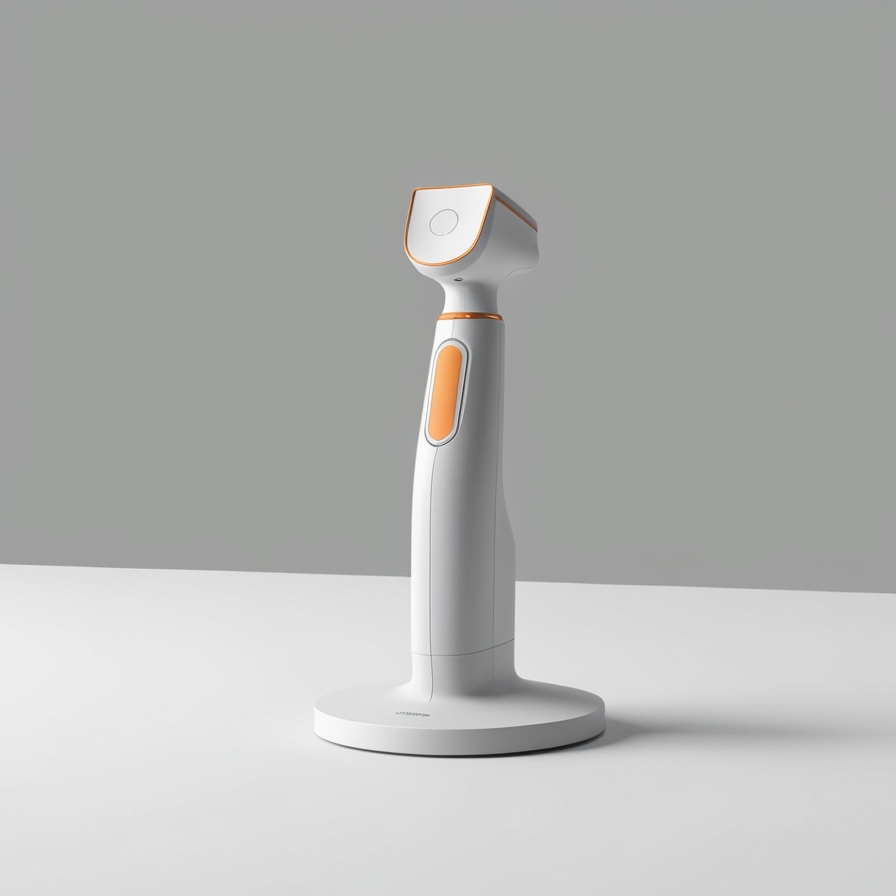
Rapid Prototyping Revolutionizes Modern Manufacturing at WB Engineering
Rapid Prototyping Revolutionizes Modern Manufacturing at WB Engineering
In today’s fast-paced world of product development and engineering, the need for speed and precision is more crucial than ever. Rapid prototyping has emerged as a key player, transforming modern manufacturing processes and helping companies bring their ideas to life quicker than ever before. One such company at the forefront of this revolution is WB Engineering based in Miami.
Understanding Rapid Prototyping
Rapid prototyping refers to the quick fabrication of a physical part, model, or assembly using three-dimensional computer-aided design (CAD) data. This process is pivotal for product design and engineering firms, enabling them to prototype and test their designs efficiently and effectively.
The Advantages of Rapid Prototyping
- Speed: Traditional prototyping methods can be time-consuming. Rapid prototyping dramatically shortens the design cycle from weeks to mere days or even hours.
- Flexibility: Engineers can test multiple design iterations quickly to find the best possible solution.
- Cost-effectiveness: By reducing the time and material waste, businesses can save on overhead costs. This is especially beneficial for startups and small firms.
WB Engineering understands these benefits and integrates rapid prototyping in their services to provide optimal solutions for their clients, specifically in the bustling hub of product engineering in Miami.
Application of Rapid Prototyping at WB Engineering
WB Engineering offers a diverse range of services tailored to meet the needs of businesses focused on product design and development in Miami. Their application of rapid prototyping includes:
1. Conceptual Modeling
Before diving into full-scale production, businesses can visualize ideas using high-quality 3D printed models, gaining a tangible sense of the product’s form and fit.
2. Functional Prototyping
WB Engineering uses rapid prototyping to create functional prototypes that enable clients to test mechanics and functionality before committing to the final design. This approach guarantees that any potential design flaws are identified and addressed early, ensuring that the end product meets expectations.
3. Testing and Validation
With rapid prototyping, testing can be performed using the exact materials intended for the final product. This allows engineers to conduct real-world testing and make necessary adjustments, improving the product’s overall performance.
4. Customization and Personalization
The flexibility of prototyping allows for quick adaptations and variations in design, catering to specific client needs and ensuring a tailored approach to product development.
Transforming Product Development in Miami
Miami is a thriving hub for innovation and product development, and WB Engineering stands out as a leader in providing cutting-edge prototyping solutions. Their comprehensive product engineering services include:
- Concept Development: Students ideas through collaborative brainstorming sessions.
- Design and Engineering: Use the latest CAD software to refine and prepare designs for prototyping.
- Market Launch Support: Help with transforming prototypes into market-ready products and offering guidance on marketing strategies.
Conclusion: The Future is Fast, Functional, and Flexible
The shift towards rapid prototyping in modern manufacturing is undeniable, and companies like WB Engineering are leading the way by offering robust solutions that meet the intense demands of today’s product design and development sectors. Whether you’re a startup, an entrepreneur, or an established corporation in Miami, rapid prototyping can drastically improve your product development cycle and deliver unparalleled speed and accuracy. Discover how WB Engineering can help bring your vision to life by visiting www.wb-3d.com.
In an industry where time is money, embracing rapid prototyping is not just beneficial – it’s essential.